



Reducing VOCs
Listen to your nose: when something smells, it is more than likely emitting VOCs. Even good smelling things like perfume or air fresheners have negative effects.


VOCs can cause serious health effects in both the short and long term. Health effects vary from minor eye, nose and throat irritations all the way to liver and kidney damage or cancer, depending on the level of exposure.

They come from an array of everyday items including paints and varnishes, wax and cosmetics, cleaning and hobby products, and even cooking. When you have an enclosed space like a home or office, these emitted gases accumulate and pollute our fresh air.
Listen to your nose: when something smells, it is more than likely emitting VOCs. Even good smelling things like perfume or air fresheners have negative effects.
Regularly replace air filters in indoor fan systems, and install a VOC monitor to remind you when to refresh your home. With alerts to remind you when to change filters.

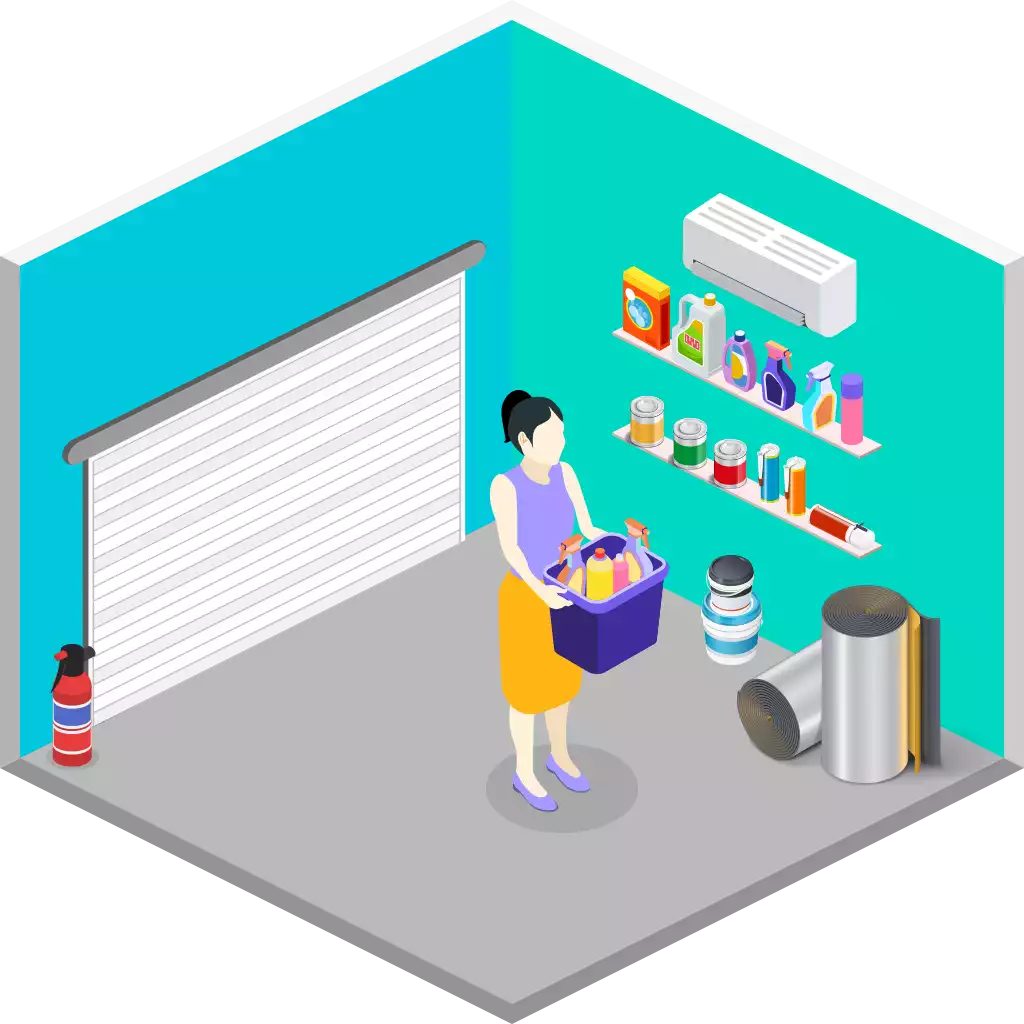
Store all known toxic products like paint, varnishes, heavy cleaning supplies, etc. separate from your home in a shed or garage. Avoid buying VOC products in bulk and try to reduce the amount of products you purchase that contain VOCs. Try to purchase environmentally friendly products with lower levels or no VOCs.
Strong odors in new or recently renovated indoor environments are often due to off-gassing from new building materials, finishes, and furnishings. VOCs may come from treated or engineered wood products, carpets, flooring, cabinets, paints, stains, varnishes, caulking, adhesives and many other materials.
Typically, VOC levels in the indoor air will decrease over time, but just how long it will take depends on a number of factors. It’s also important to know that VOCs can be reintroduced into the indoor environment from the use of some common materials, including cleaning supplies, air fresheners, pesticides and aerosol sprays.