The EPA (United States Environmental Protection Agency) states that: “Indoor Air Quality (IAQ) refers to the air quality within and around buildings and structures, especially as it relates to the health and comfort of building occupants. Understanding and controlling common pollutants indoors can help reduce your risk of indoor health concerns.” Contaminants or pollutants cause the air you breathe to become unhealthy. They can cause both immediate and long-term effects on you and your family’s health and come from a range of sources. Ventilation, inhabitants, use of space and household items all contribute to Indoor Air Quality.
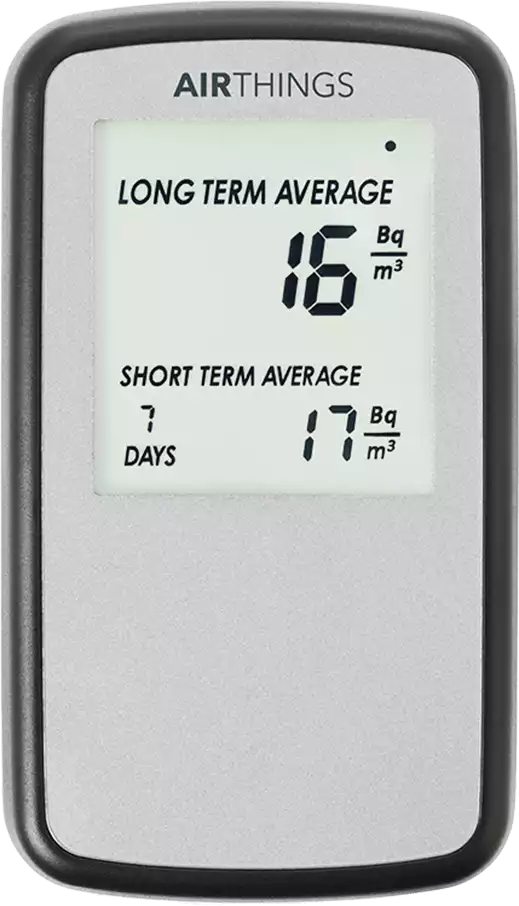
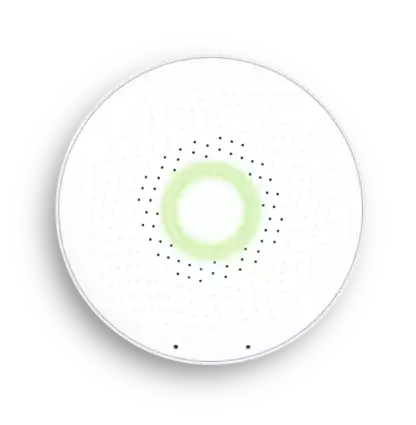
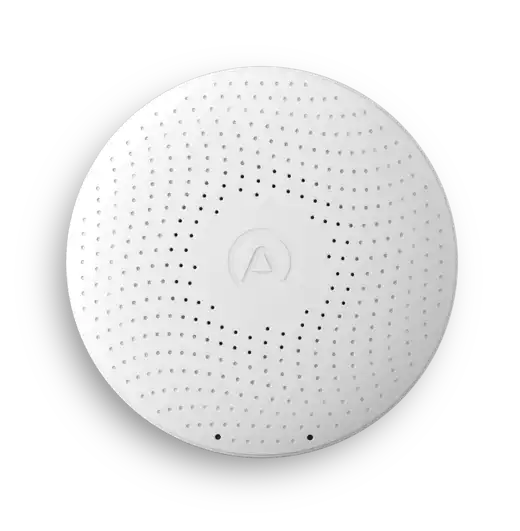
Airthings believes everyone should care about the air they breathe. We create easy to use Indoor Air Quality monitors for homes, schools, offices, and all other indoor spaces to help people take control of the air they breathe. All of our products measure radon, a radioactive gas that accumulates in homes and buildings, and is the number one cause of lung cancer among non-smokers. The Airthings Wave Plus measures CO2, VOCs, humidity and more, giving you full control of your Indoor Air Quality.
Decrease exposure to this radioactive gas that accumulates in buildings and homes. It is the number one cause of lung cancer among non-smokers but can be managed with continuous monitoring.
Learn more about Radon
Approximately 21,000 people die from radon-related lung cancer every year in the United States alone.
Volatile Organic Compounds are vapors emitted from all sorts of daily products including paints and furniture, wax and cosmetics, cleaning and hobby products, cooking and human breath. At high concentrations they can be harmful and cause negative side-effects from minor eye, nose and throat irritations all the way to liver and kidney damage and even cancer, depending on the level of exposure.
Learn more about Volatile Organic Compounds
Studies have found that levels of VOCs average 2 to 5 times higher indoors than outdoors.
You know when you step into a bedroom after someone has been sleeping there for hours? Or when you hit that afternoon slump? These are likely because of heightened CO2 levels in the air, which can cause drowsiness and fatigue, as well as high absenteeism.
Learn more about Carbon Dioxide
"An increase of 400ppm in CO2 caused cognitive function to decline by 21%, seriously impairing judgment and decision-making."
Source: Allen et al. (2015)
Decrease exposure to this radioactive gas that accumulates in buildings and homes. It is the number one cause of lung cancer among non-smokers but can be managed with continuous monitoring.
Learn more about Radon